
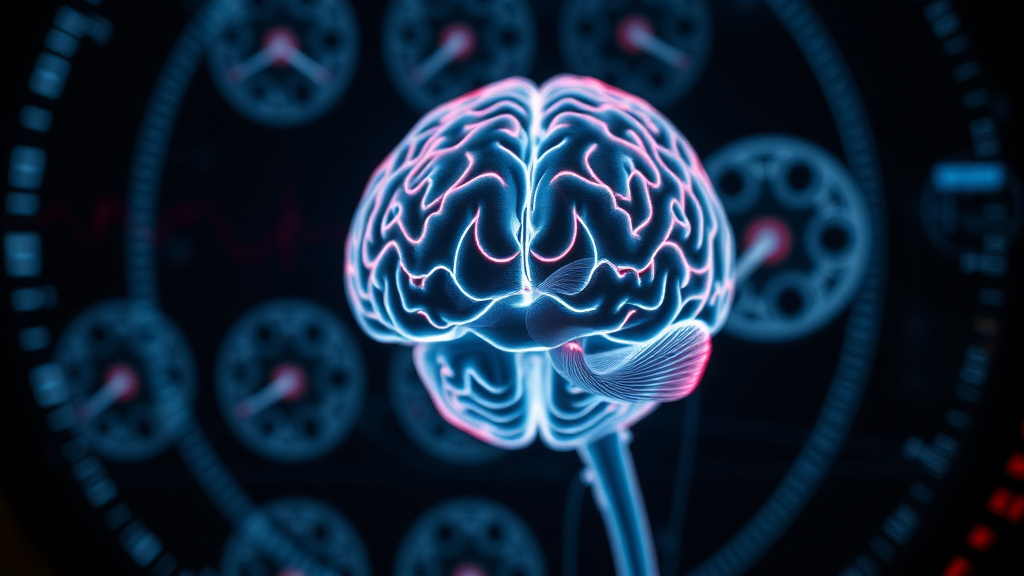
For many years, scientists have struggled to understand the brain’s most mysterious process: how memories form and persist. Now, cutting-edge brain imaging tools are finally revealing the underlying structures that control how memories are formed. This article examines breakthrough discoveries showing how sophisticated neuroimaging—from high-resolution fMRI to novel neural mapping methods—is transforming our understanding of memory formation. By observing neural activity at remarkable levels of precision, scientists are uncovering the complex interaction of brain cells that supports all our memories, promising groundbreaking therapies for memory disorders.
Cutting-edge Imaging Techniques Revolutionize Research on Memory
Modern neuroimaging techniques has reshaped memory research by making it possible for scientists to track brain activity with extraordinary precision. Functional magnetic resonance imaging (fMRI), paired with complex algorithmic analysis, allows researchers to track neural activation patterns in real-time as memories develop. These cutting-edge methods capture the intricate connections between various neural structures, revealing how data moves through neural networks during the storage and recovery of information. Such precise observation has transformed memory research from abstract theorizing into concrete, measurable science.
The development of cutting-edge imaging approaches, encompassing two-photon imaging and optogenetics, has extended the scope of what scientists can observe within the brain. These approaches extend deeper into neural tissue, exposing individual neuron activity and synaptic links previously invisible to researchers. By integrating various imaging methods, scientists now develop comprehensive maps of memory pathways, identifying critical molecular and cellular factors. This multi-method strategy has accelerated discoveries about how the brain processes, maintains, and accesses information.
Understanding Brain Pathways and Synaptic Connections
The brain’s remarkable ability to store and retrieve information is fundamentally dependent on the strength and organization of connections between neurons. Advanced imaging technologies now enable scientists to see these neural connections in remarkable detail, demonstrating how synaptic connections become stronger during memory encoding. These observations demonstrate that memory encoding engages coordinated activation across distributed brain networks, with specific regions exchanging signals through precisely timed electrical and chemical signals that establish permanent structural alterations.
Live Monitoring of Encoding Processes
Modern neuroimaging methods enable researchers to monitor memory formation as it occurs, recording the evolving alterations in neural activity that happen during learning. Functional MRI with high resolution and two-photon microscopy offer scientists with real-time windows into how neurons activate and communicate during memory encoding. These technologies reveal that memory formation entails quick, organized reactions across multiple brain regions, with neurons activating in particular sequences that match the knowledge being encoded and preserved.
The temporal precision of sophisticated imaging techniques has revealed important information about the temporal dynamics of synaptic events throughout memory formation. Researchers observe that effective memory consolidation demands exact coordination between presynaptic and postsynaptic neurons, a process called spike-timing-dependent plasticity. This mechanism strengthens links among neurons that activate simultaneously, creating the neural basis for enduring memory traces. Understanding these time-sensitive mechanisms creates fresh opportunities for enhancing memory function and treating memory disorders.
- Mechanisms of synaptic plasticity enhance neural connections throughout the learning process
- Neural oscillations synchronize function throughout different brain areas
- Patterns of neurotransmitter release influence memory strength
- Dendritic spine changes indicate the structural consolidation of memory
- Network synchronization enables the distributed storage of memory
Practical Applications and Future Prospects
The discoveries derived from advanced brain imaging technology hold tremendous promise for clinical medicine. Brain specialists and mental health experts are now creating specialized treatments for cognitive memory conditions such as Alzheimer’s disease, dementia, and post-traumatic stress disorder by identifying the specific brain pathways underlying memory dysfunction. Early detection of degenerative brain diseases becomes possible through detecting abnormal memory development patterns before symptoms appear. These brain imaging discoveries enable personalized treatment strategies, allowing medical professionals to adjust interventions to individual patients’ unique neurobiological profiles and optimize therapeutic outcomes.
Looking ahead, the intersection between advanced imaging, artificial intelligence, and neuroscience promises transformative medical breakthroughs. Researchers anticipate creating therapies for cognitive enhancement, improving rehabilitation protocols for brain injuries, and creating preventative interventions for cognitive decline associated with aging. As resolution capabilities continues advancing and analytical capabilities expand, we can anticipate greater insight of consciousness, how learning works, and neuroplasticity. These developments will eventually reshape how society tackles neurological challenges, providing relief to millions suffering from memory-related conditions and revolutionizing our fundamental comprehension of the human brain.
